Bringing Legacy Materials to Life
Most people reach for the same handful of materials, the ones every showroom stocks and every trend page repeats. We get why. But some of the most beautiful things we've ever specified came from further afield, techniques that have been perfected for centuries in one part of the world and are still barely known in another. We spend a lot of time looking for those. Not because they're rare for the sake of it, but because once you've seen what a material like this can do in a room, it's hard to go back to the familiar version. These four are ones we keep returning to, and we wanted to actually talk about why.
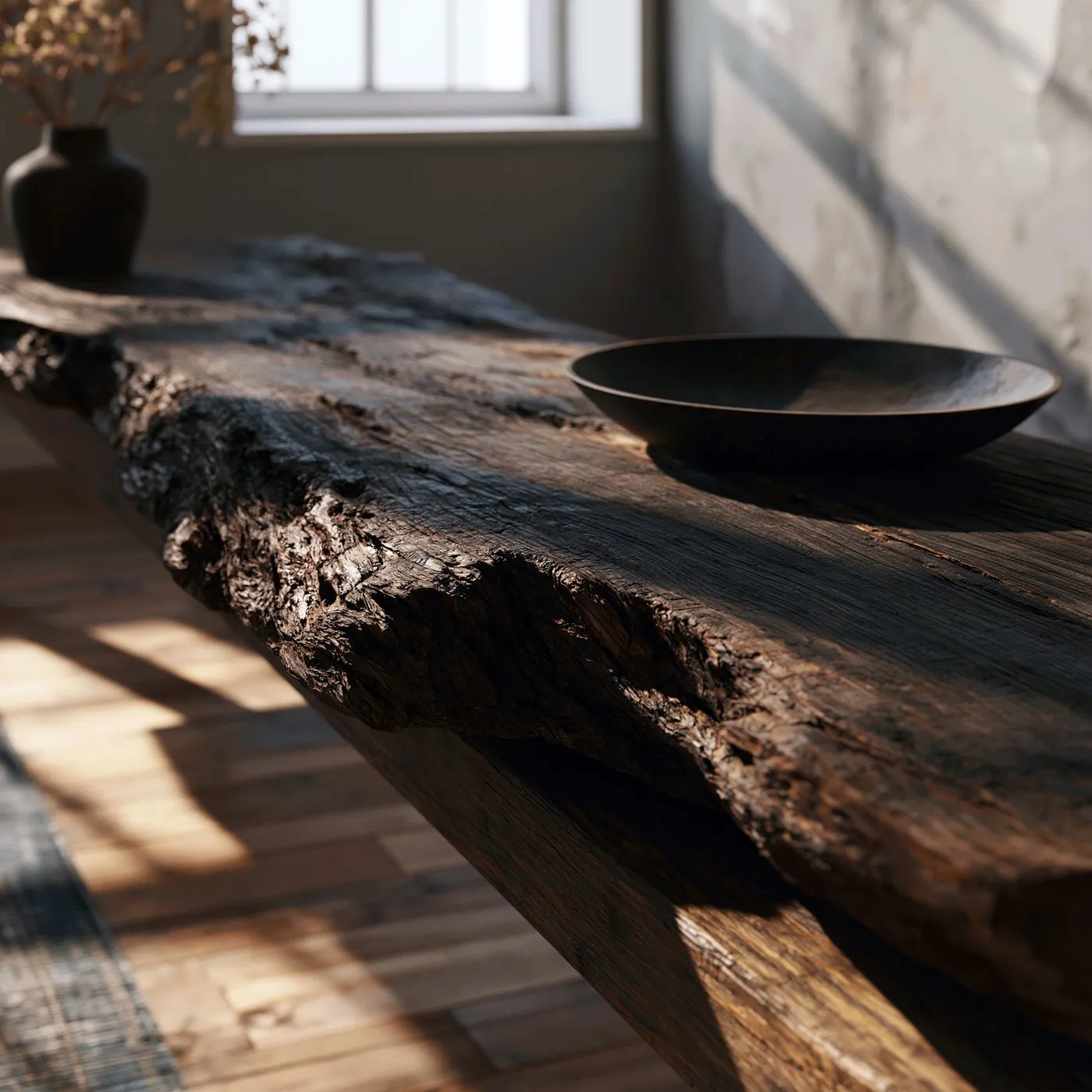
Irish Bog Oak
We use bog oak when a room needs one thing that stops people. Not a whole wall of it, that would be a waste. One mantel, one threshold, one surface you run your hand over without meaning to. What makes it worth that restraint is where it comes from. The wood spends thousands of years buried in Irish peatland before anyone touches it, and that time underground is what turns it almost black and denser than anything you'd find growing today. You're not choosing a finish when you specify bog oak. You're choosing something that was already old before the house around it existed.
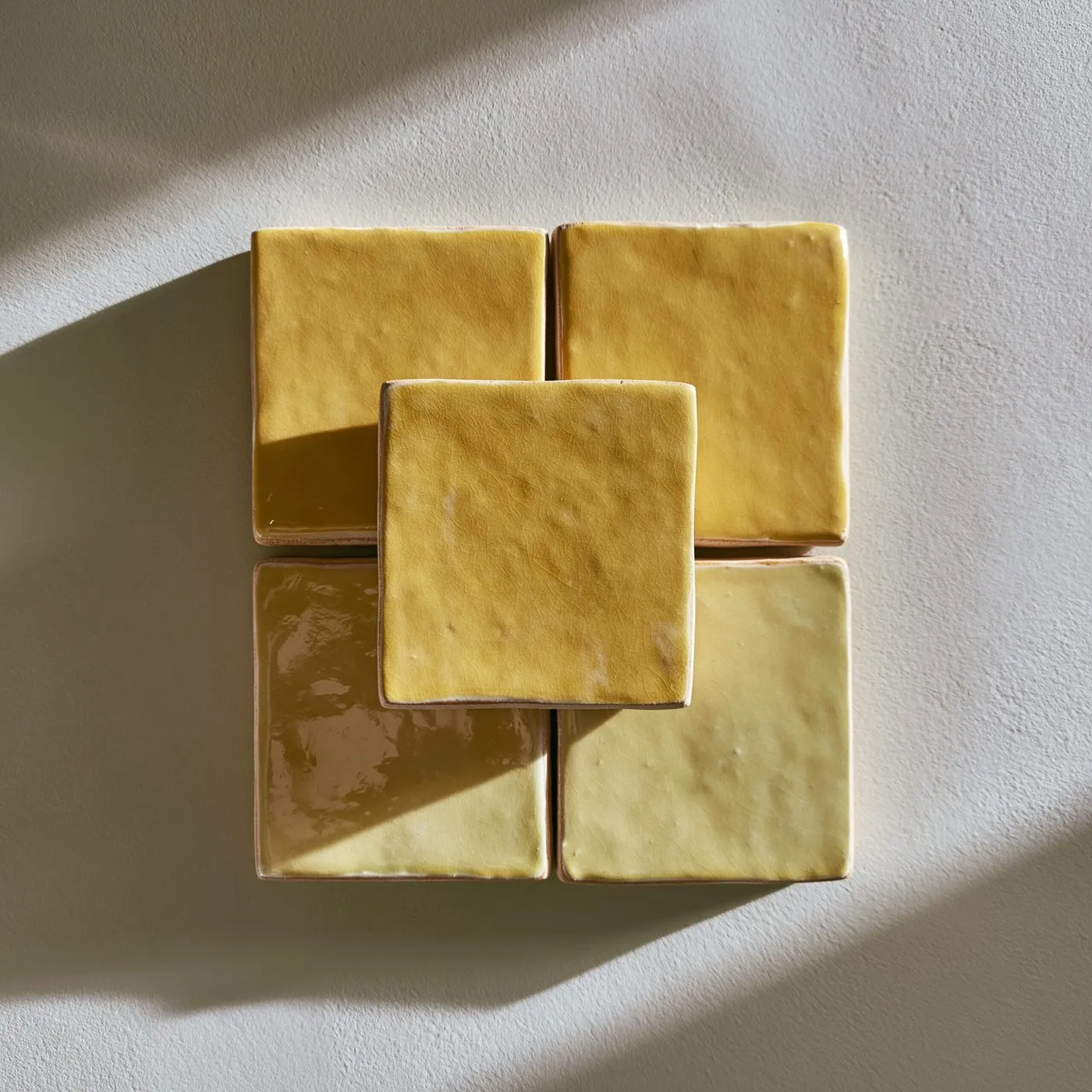
Moroccan Zellige Tile
Zellige earns its place in a scheme by refusing to sit still. Every tile is cut and glazed by hand, so no two catch the light the same way, and a wall of it genuinely shifts as you walk past. We reach for it wherever we want a surface to feel alive rather than finished, a splashback, a shower wall, a run behind open shelving where you'll actually notice it every day. The small imperfections are the whole point. A perfectly uniform version of this tile would miss why anyone wanted it in the first place.
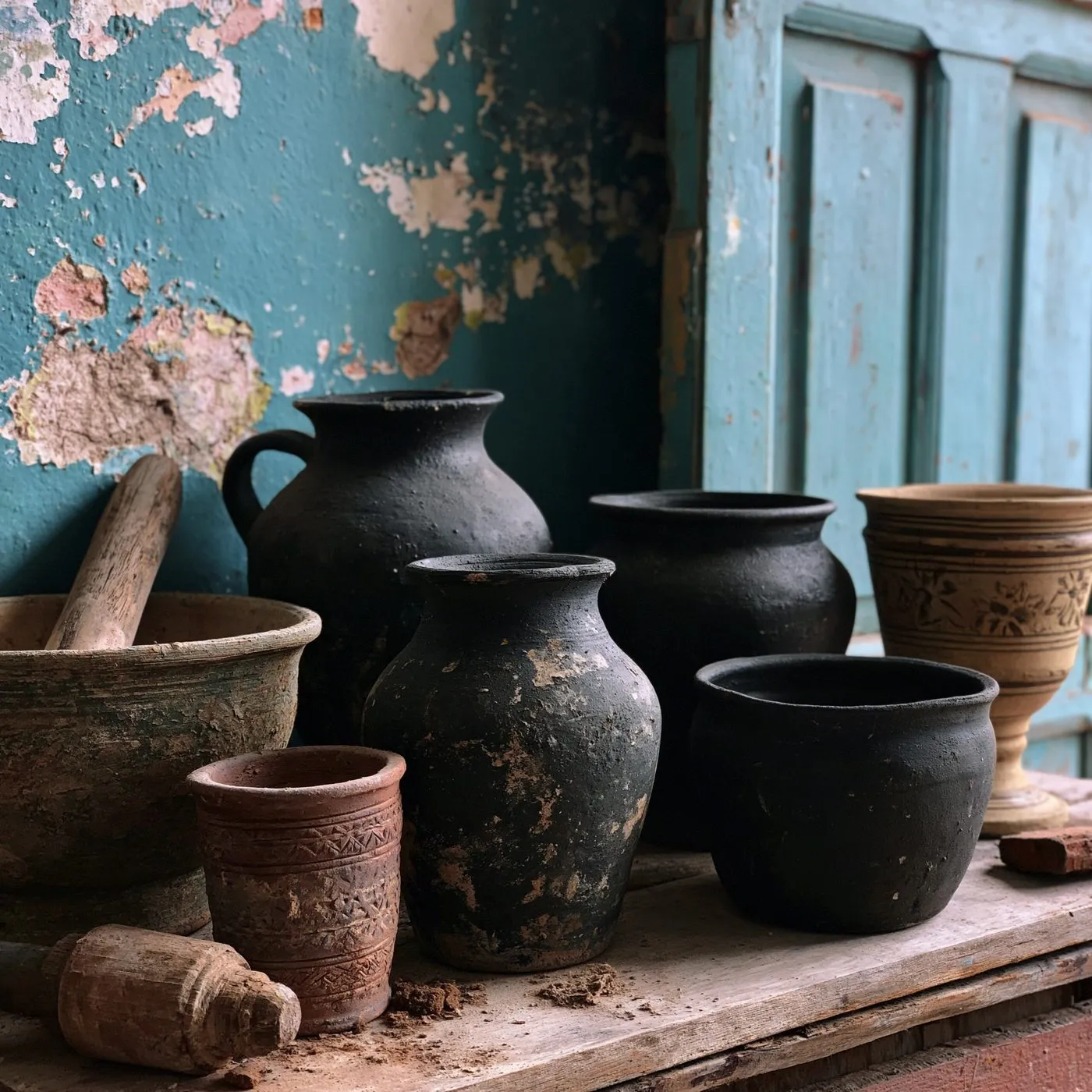
Mexican Barro Negro
This one isn't a surface at all, and that's exactly why it earns its spot on this list. Barro negro is a black clay pottery technique from Oaxaca, burnished by hand until it takes on a soft, almost metallic sheen, and we treat it the way you'd treat a piece of art rather than a material. A single vessel, placed with intention, does more for a room than another decorative object ever could. It matters to MJ personally too. Bringing a piece of Oaxacan craft into an Irish home and giving it somewhere it's actually seen, rather than packed away, is one of the small satisfactions of this job.
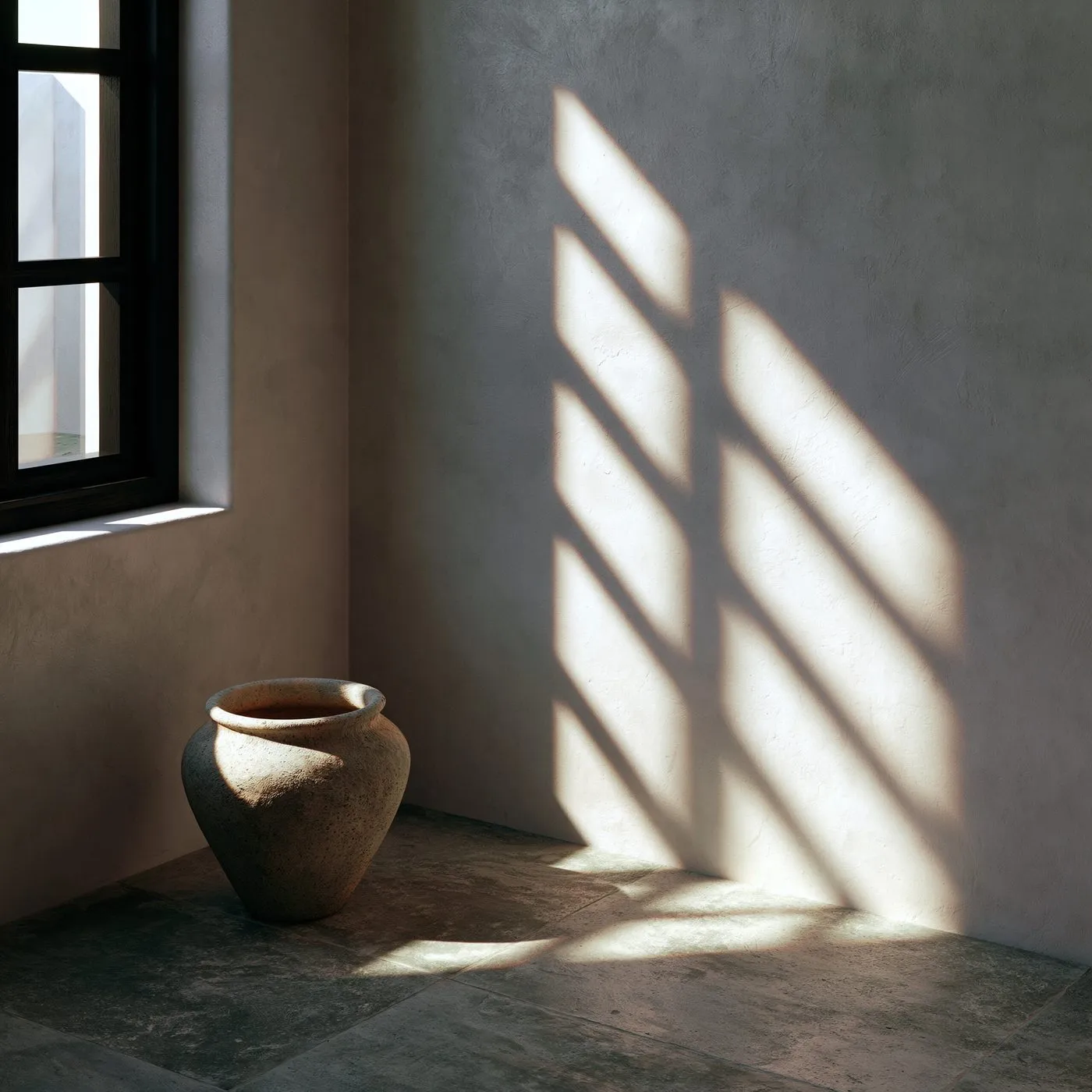
Moroccan Tadelakt Plaster
Tadelakt gets specified in wet rooms for a practical reason first. It's fully waterproof, breathable, and it was originally developed for hammams, so it can handle a bathroom without blinking. But the reason we love it goes beyond function. Lime plaster finished with soap and hand-burnished until it's smooth enough to hold water ages the way good materials should, with a soft patina rather than visible wear. A tadelakt wall five years in looks better than it did on day one. That's rare, and it's worth choosing for that alone.