Designing for Harmony: How Feng Shui Inspires Wellness in Sustainable Luxury
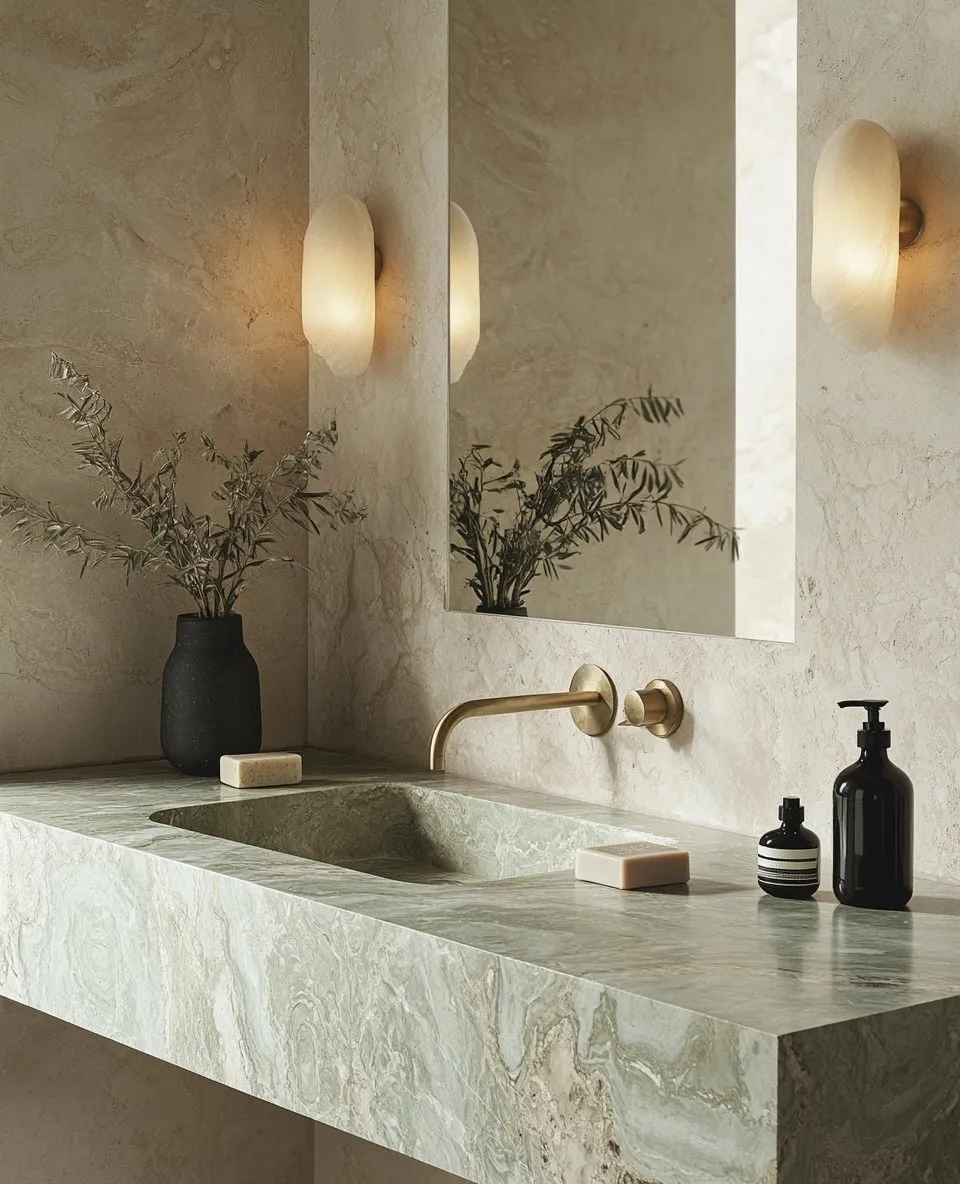
More of our clients are asking for spaces that don't just look right, they want them to feel right too. Feng shui is one of the frameworks we lean on to answer that. We're not going to pretend it's science, but it's a genuinely useful design discipline, one that's shaped how rooms get laid out, lit, and furnished for a very long time. We find it sits comfortably alongside sustainable design, since both are really asking the same question: does this space support the people living in it, or does it just look good in photographs?
Nature as a Blueprint
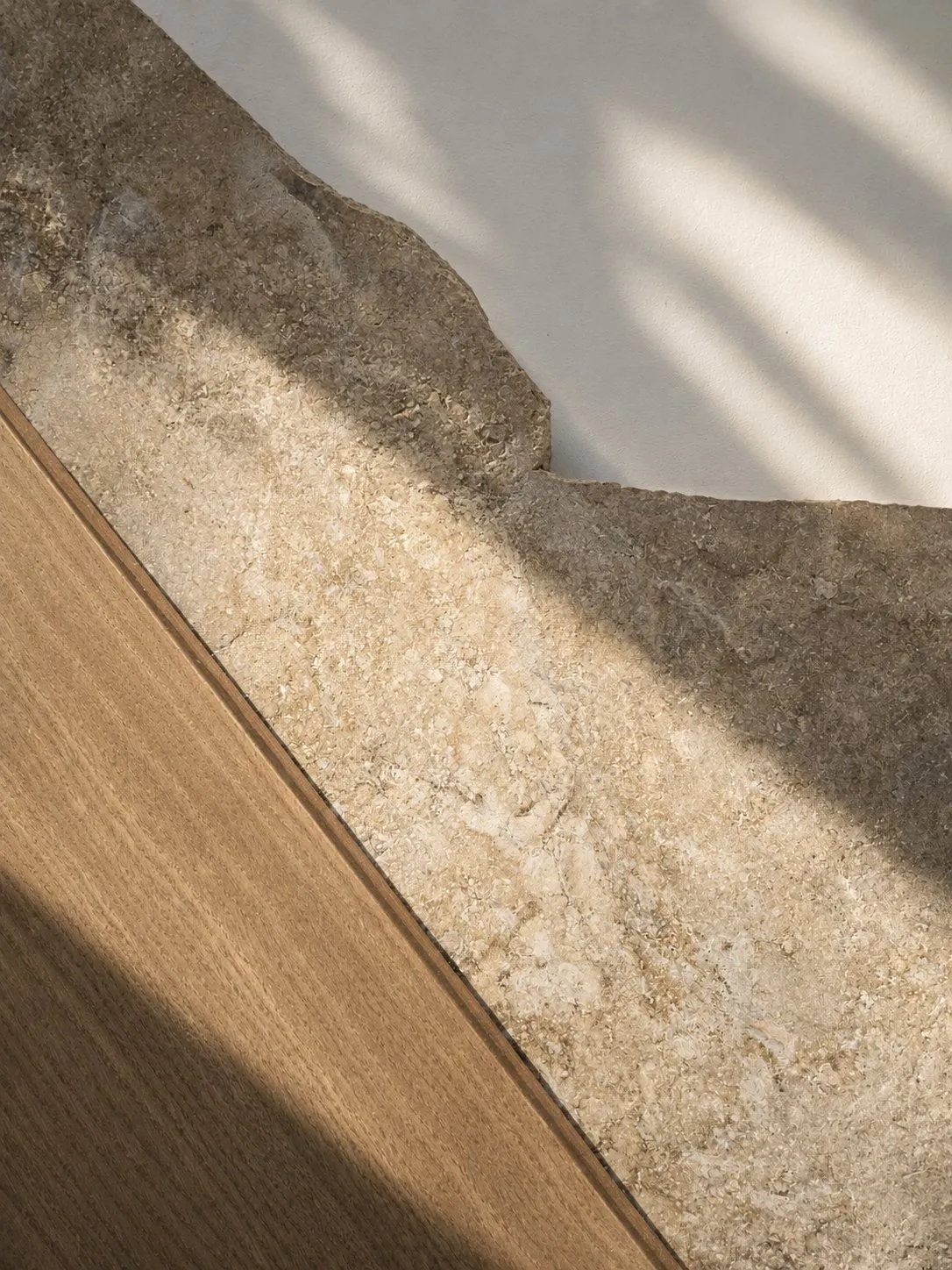
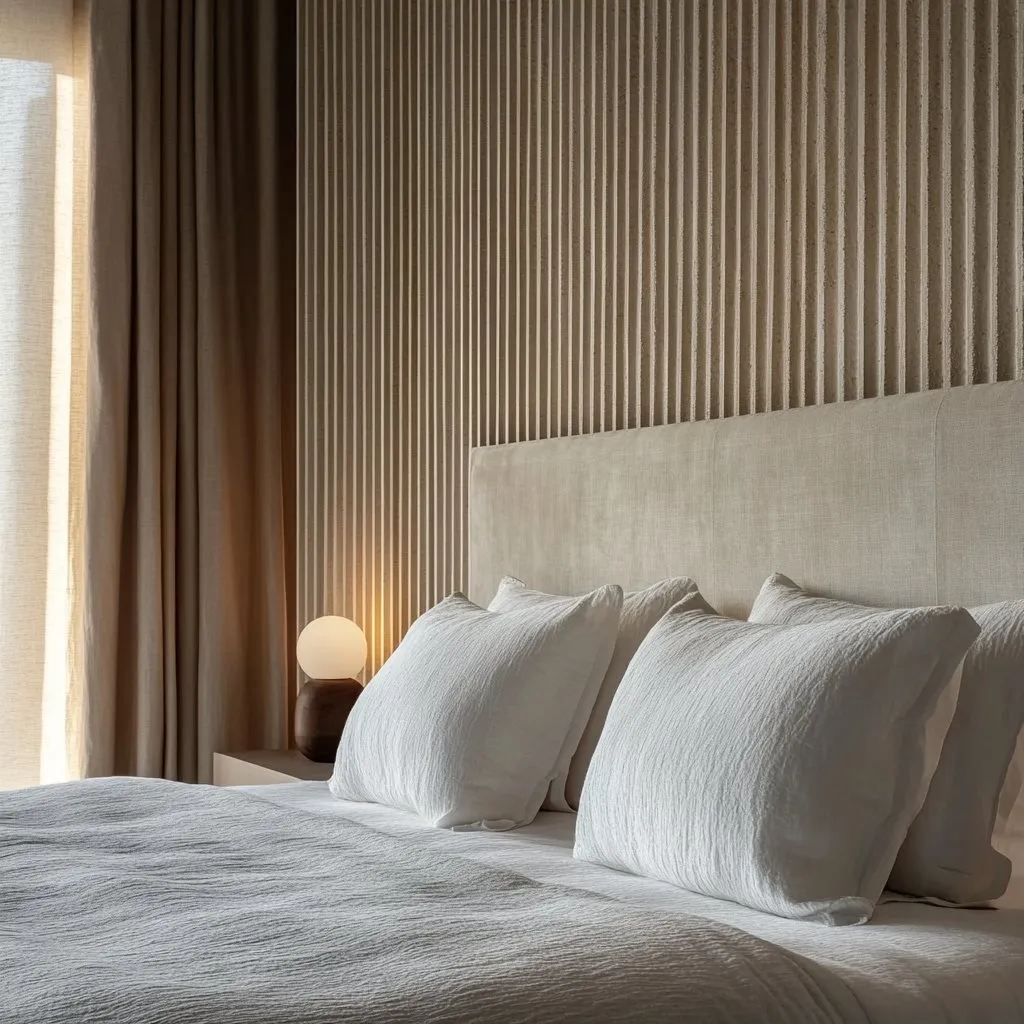
Feng shui organises everything around five elements, Wood, Fire, Earth, Metal, and Water, each carrying its own kind of energy. We don't treat these as symbols to reference loosely. We build them into the material palette directly. Earth shows up as natural stone, travertine, and sandy, textured walls, the tones that make a room feel settled. Fire comes through in warm timbers and rust hues. Metal appears in patinated finishes and antiqued mirror. Water tends to be the deep colour tones and polished surfaces rather than a literal fountain, though we've used those too when a project calls for it. Wood is the easiest one, curved furniture, natural textures, and plants doing the most literal version of the job.
Curves, Light, and Flow
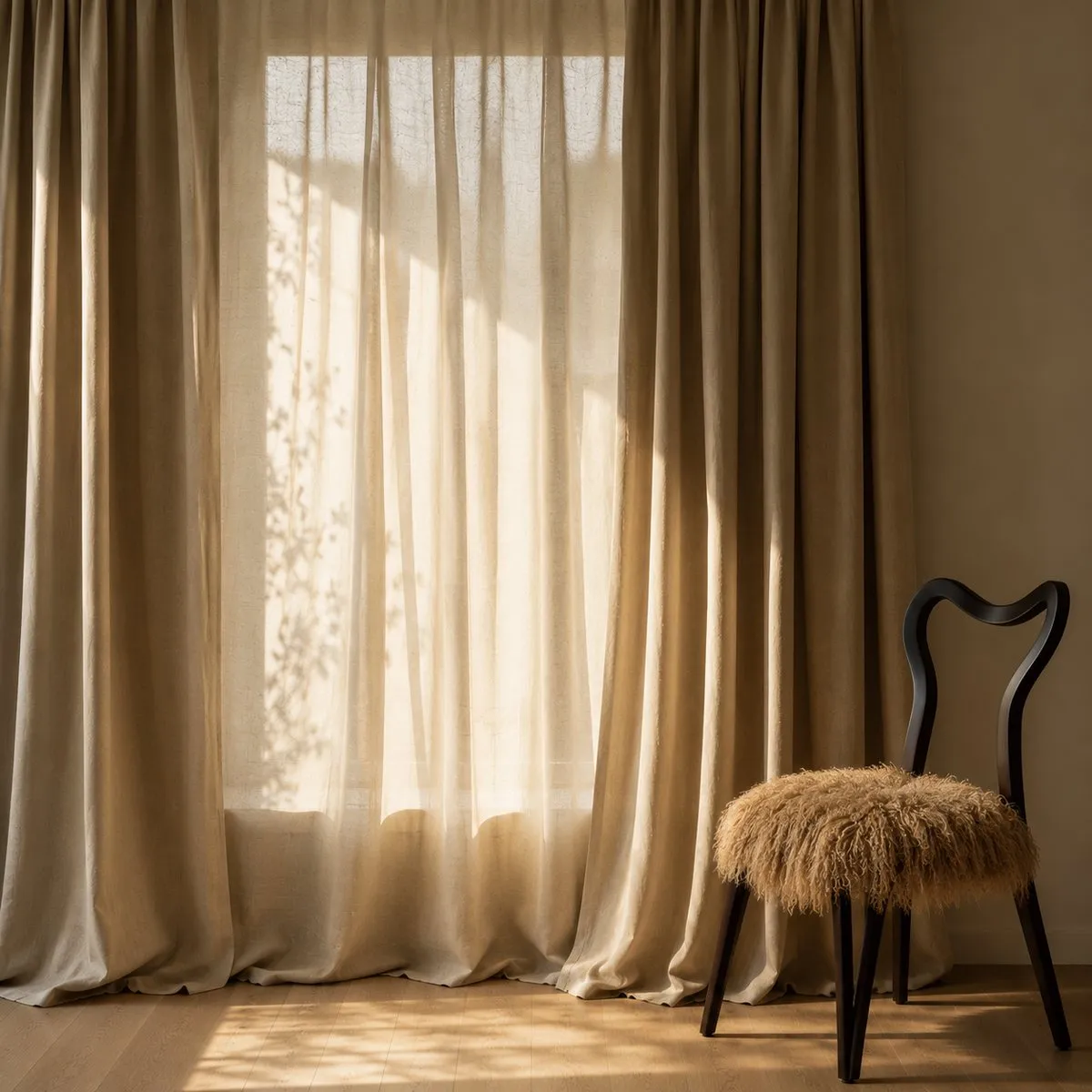
A hallway that curves instead of turning sharply, a staircase that invites you up rather than confronting you, these aren't just feng shui preferences, they're good architecture on their own terms. Movement through a home should feel easy, and rooms that box people into sharp corners rarely feel as calm as ones that let a sightline breathe. Light does a version of the same work. We design around natural light wherever we can, using pale textures and warm wood tones to carry it further into a room rather than letting it stop at the first surface it hits.
Mirrors and Metal
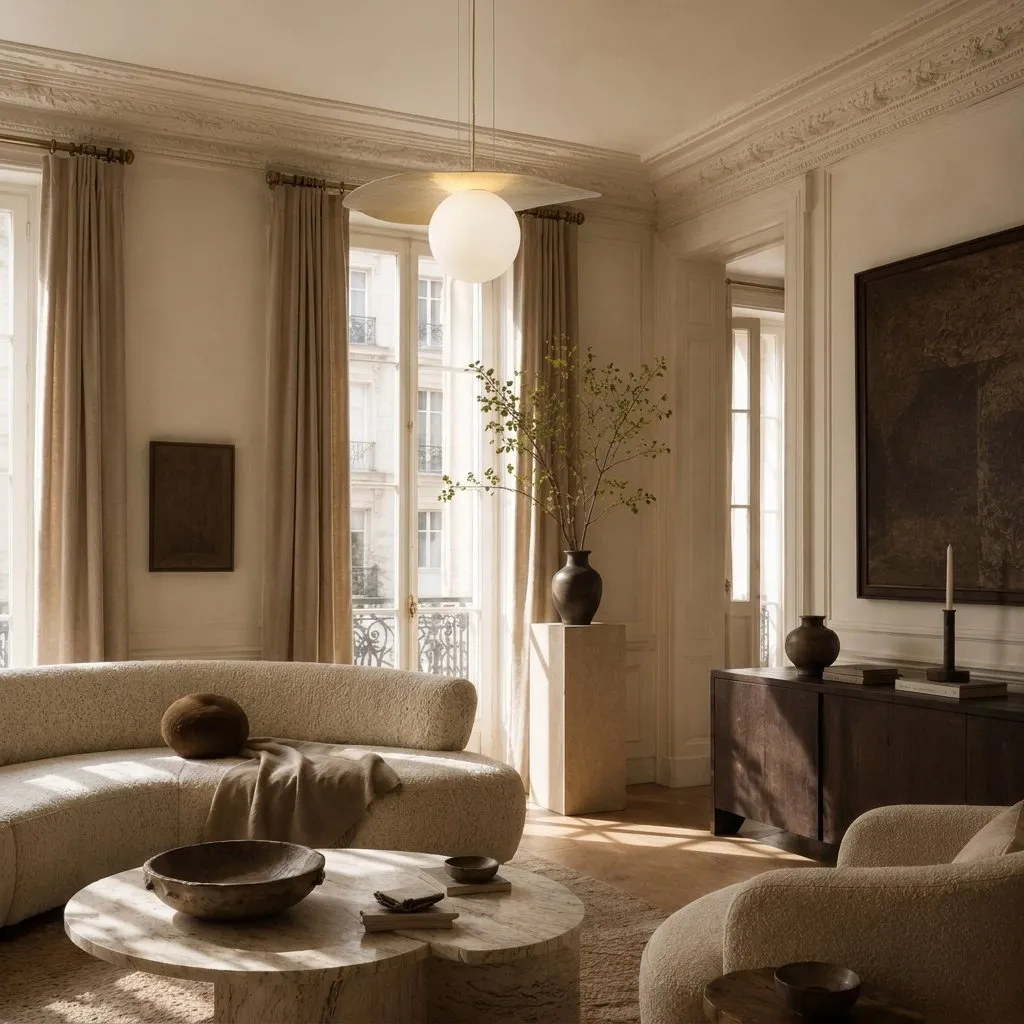
Mirrors get used carelessly more often than not. Feng shui's instinct here is actually a good design instinct too, a mirror should reflect something worth reflecting, a view, a piece of art, natural light, not clutter or the back of a bed. Used well, they genuinely expand a tight or awkward room. Metal finishes, whether that's a bronze tap or an antiqued mirror frame, add a crispness that keeps an otherwise soft, organic scheme from drifting into something shapeless.
Plants, Properly Considered
Plants are the most literal expression of the Wood element, and they're also just good for a home regardless of what framework you're using to justify them. Feng shui suggests softer, rounded leaves for spaces where people gather, peace lilies and jade plants, and saves anything spiky or sharp for entrances and hallways. Our own regulars are olive trees, eucalyptus, rubber plants, and ferns, low maintenance, good looking, and genuinely pleasant to live alongside.
Sustainability That Doesn't Announce Itself
Our version of sustainability isn't loud about it. It's in a reclaimed oak staircase that's allowed to show its history rather than being sanded back to nothing. It's in natural plasters that regulate moisture without needing a chemical paint system behind them. Mostly it's in the decision-making, nothing included because it's trending, nothing left in because removing it felt like too much effort. When every material in a room is there for an actual reason, the result has a kind of quiet weight that a trend-led scheme never quite manages.