What Mexico Taught Us About Craft, Sustainability & Living Well
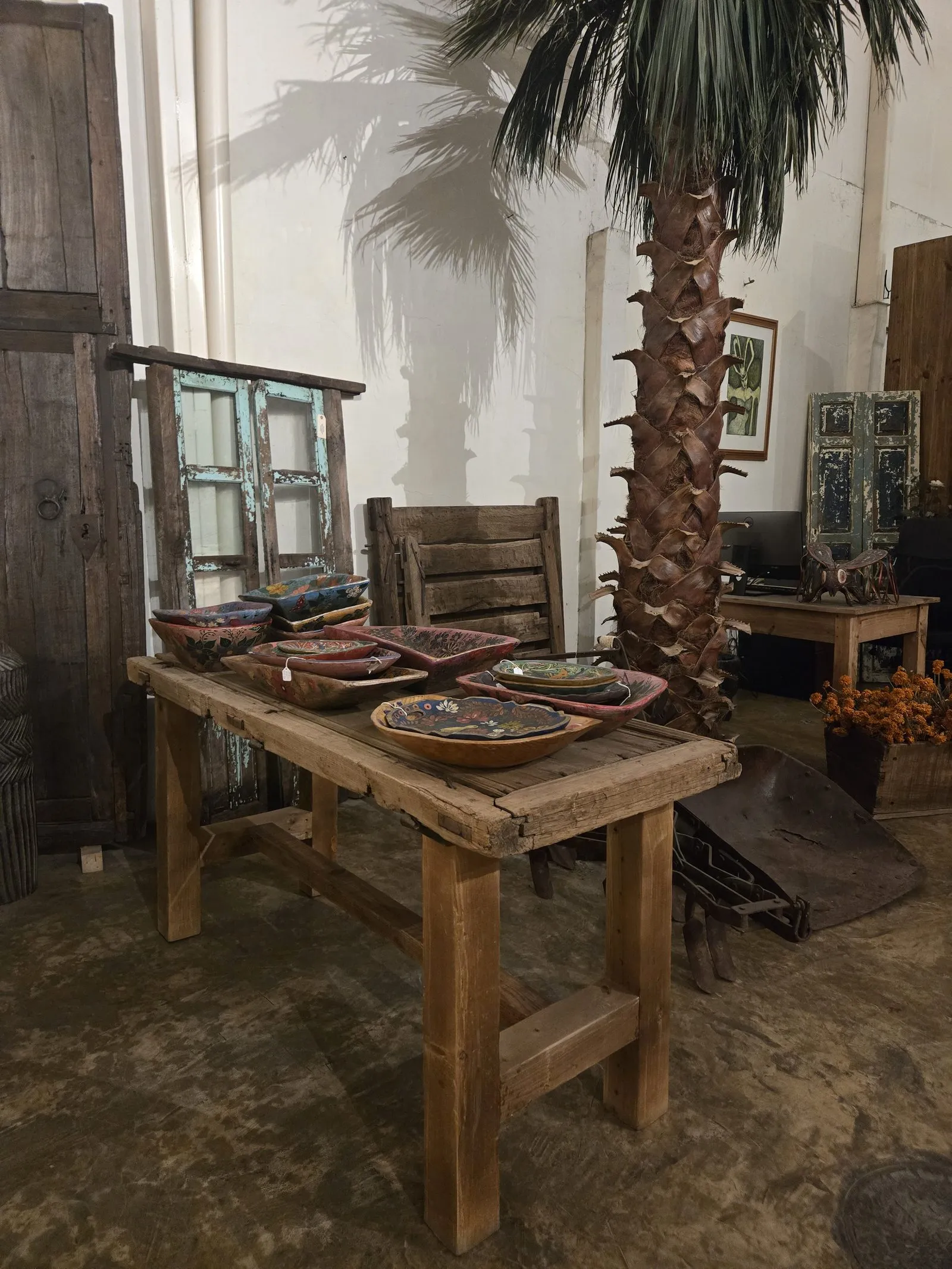
We were recently in Mexico on a working trip, meeting suppliers, visiting workshops, and looking closely at what we could bring back into the studio. Mexico has an extraordinary concentration of skilled makers, and we don't think that talent gets anywhere near the international recognition it deserves. With MJ's own roots there, this was a deliberate piece of research for us, not a holiday, and we came back with a clearer sense of what we want to integrate into how we work.
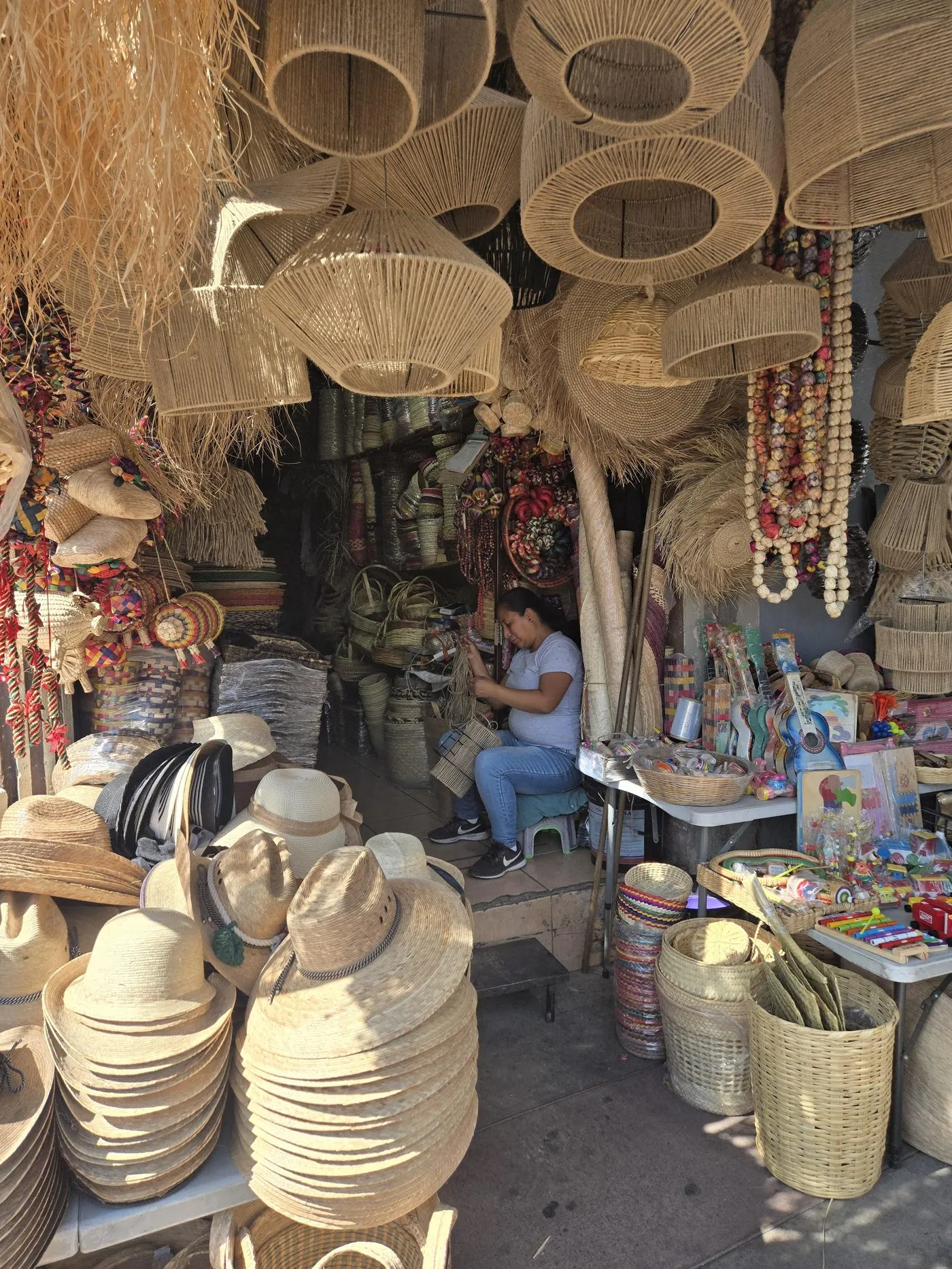
Seeing Through a Designer's Lens
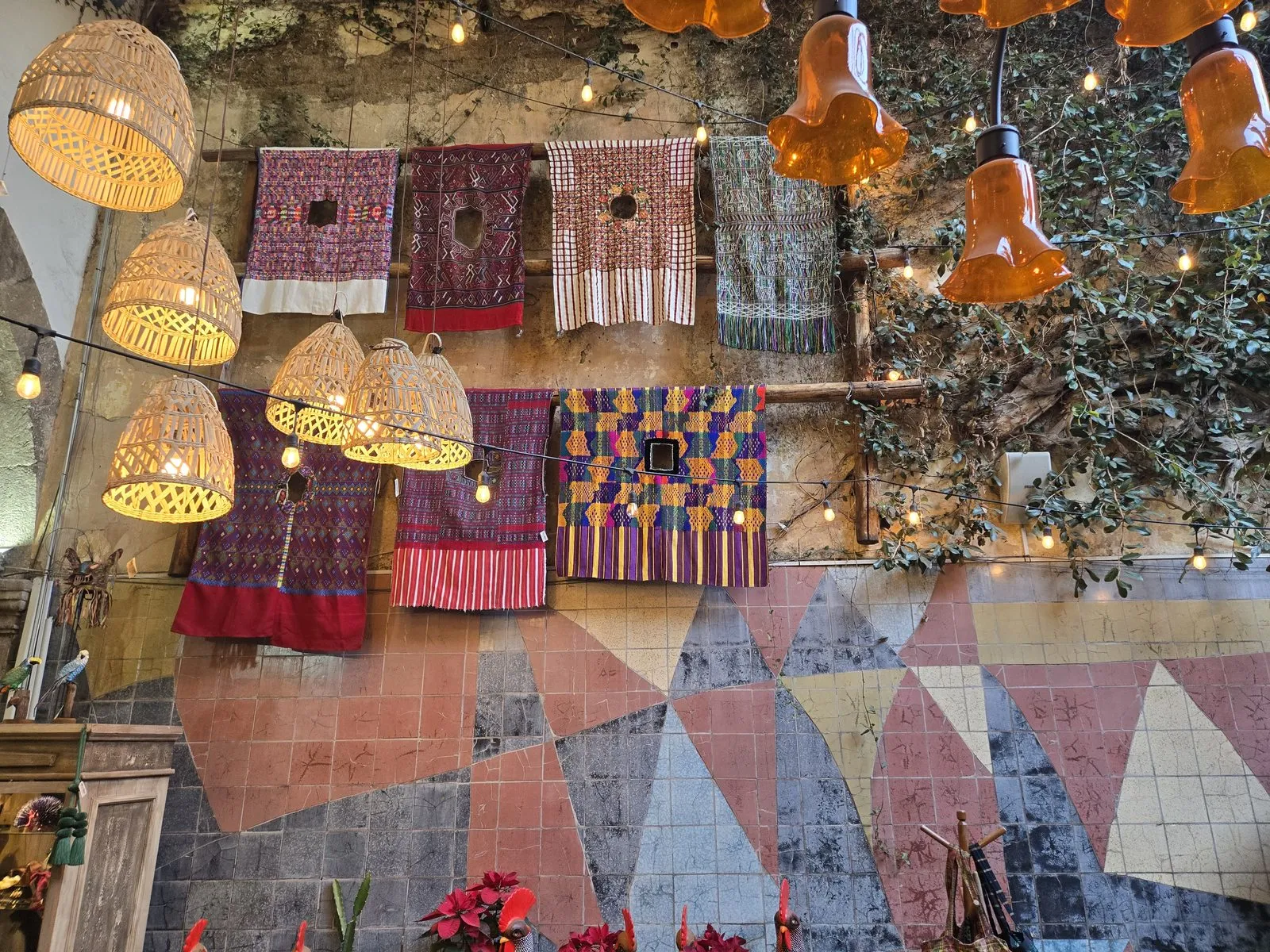
What stayed with us wasn't one style or one colour palette. It was how consistent the intention felt, everywhere we looked. Stone that had softened with time instead of being replaced. Clay tiles worn smooth by decades of foot traffic, and left that way. Timber that still showed the marks of whoever shaped it. None of it read as decoration. It read as practical, honest, and made by someone who expected it to last.
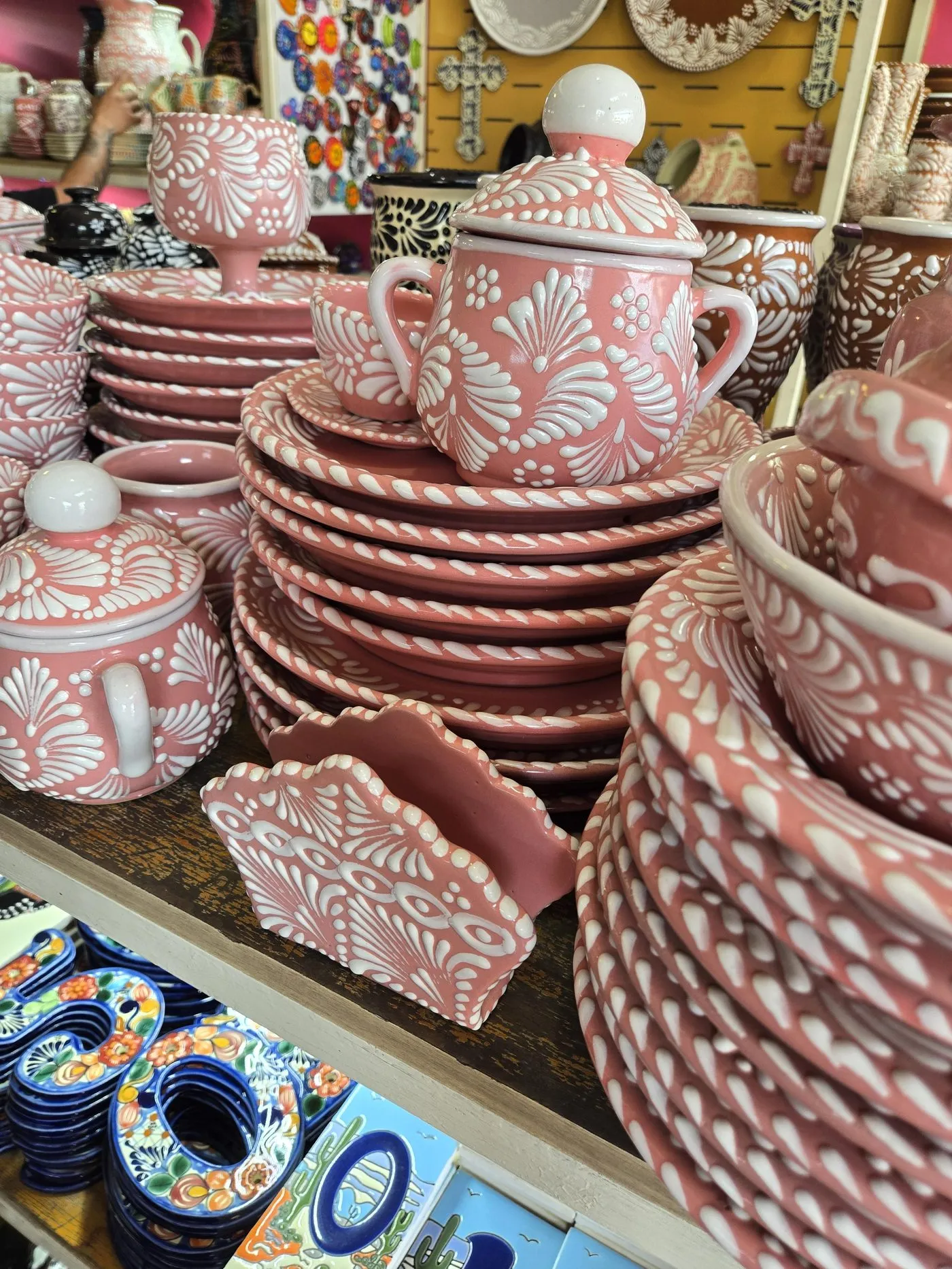
Craft as a Sustainable Practice
The furniture makers and tile workshops we came across weren't producing things to be replaced in five years. They were building things meant to be repaired, and to look better for having been used. That's closer to how we think about sustainability than most conversations about it get. It was never really about ticking a box. It's about choosing something durable enough that you never have to think about replacing it. The most sustainable interiors, in the end, are usually just the ones nobody ever feels the urge to update.
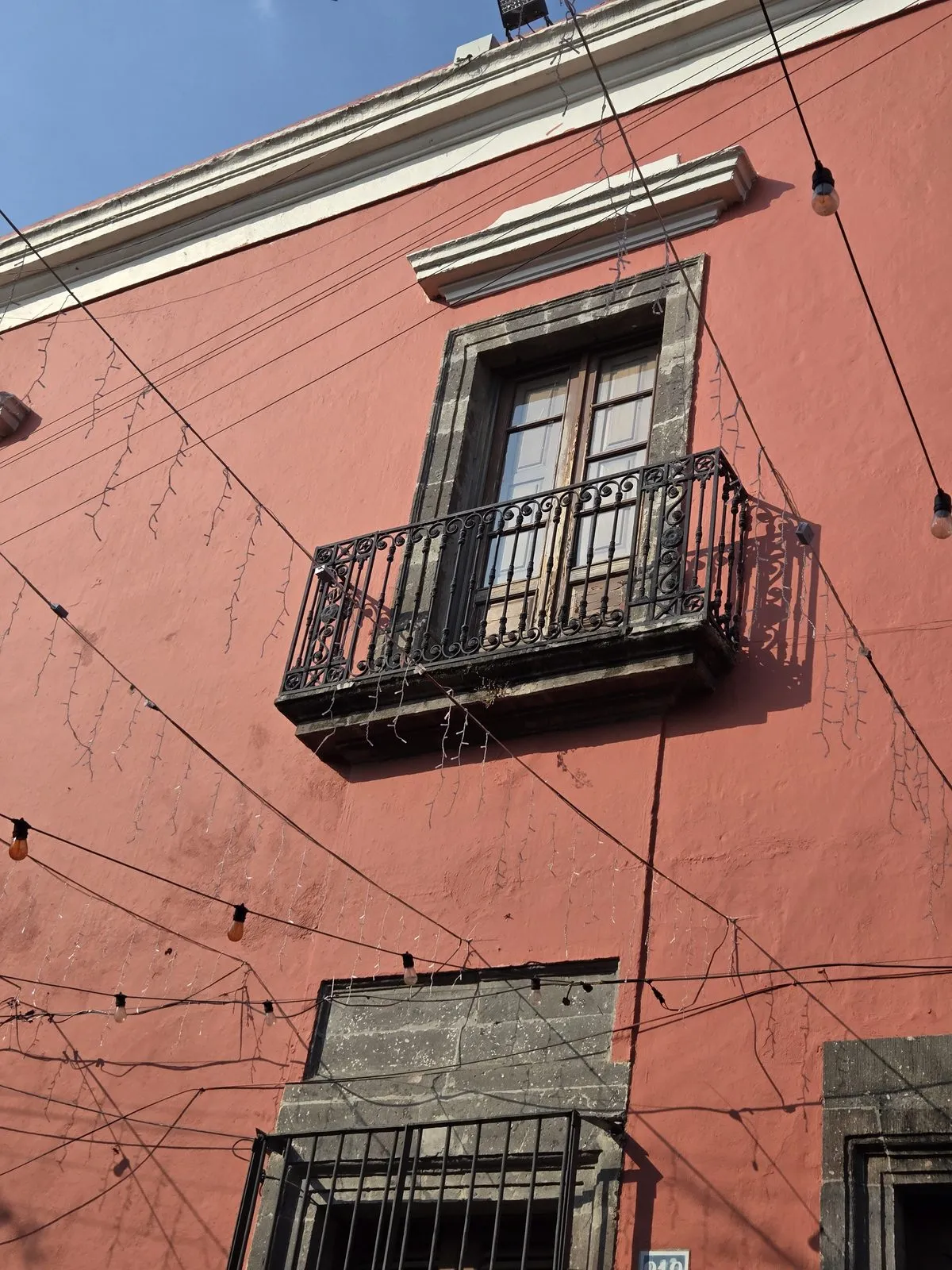
Architecture Shaped by Climate
Mexican architecture works with its environment instead of overriding it. Deep reveals, shaded courtyards, ventilation that does the work air conditioning would otherwise have to do. Ireland's climate asks for almost none of the same solutions, but the underlying instinct travels well regardless. A home that responds to its own light and warmth, rather than resisting them, tends to feel calmer to live in no matter where it's built. Good design usually isn't about adding more. It's about paying attention to what's already there.
Bringing Global Insight Home
Some of the most respected names in luxury design have quietly started looking to Mexican artisans for exactly this kind of work, and we understand why the moment you see a workshop in person. The skill is there. What's often missing is the exposure. Part of why we went was to meet makers directly, look at what they produce, and work out what could genuinely translate into projects here rather than sit as a nice memory from a trip. We came back with real suppliers to follow up with, not just an impression. What struck us most was how honestly the material is used, how much value is placed on craft, and how comfortable a space is left to change over time instead of being kept frozen. That's the part that actually feeds into the work. Whether we're designing a new build or restoring something older, we're chasing the same feeling we found there, a space that feels grounded and genuinely personal to the people living in it.